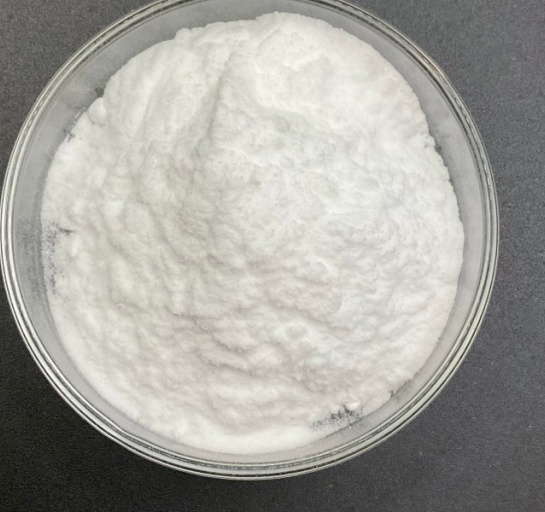
Product Description
Sucralose is produced from sucrose through a selective chlorination reaction. It is approximately 600 times sweeter than sucrose, and its taste profile is extremely similar to sucrose, without any bitter aftertaste or metallic aftertaste.
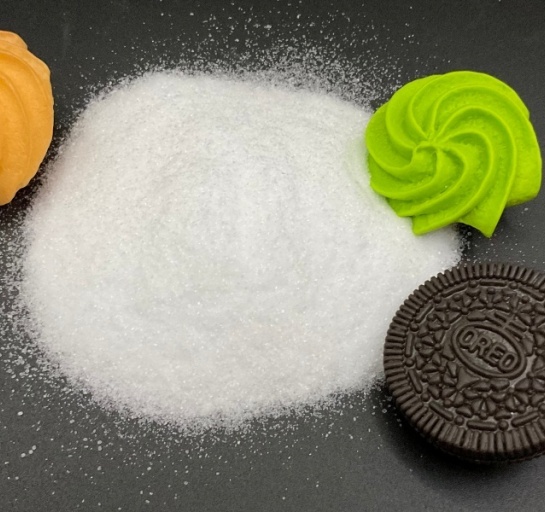
In the food industry, sucralose is used in beverages, baked goods, dairy products, ice cream, jams and vinegar, as well as dietary supplements and pharmaceuticals. Due to its high sweetness, using sucralose can significantly reduce the amount of sugar used in formulations while maintaining a pure, sucrose-like sweetness. Furthermore, sucralose is often used in combination with other sweeteners such as erythritol, acesulfame potassium, and cyclamate to achieve synergistic effects, improve taste profiles, or reduce overall costs.
Specifications
| ITEM | STANDARD |
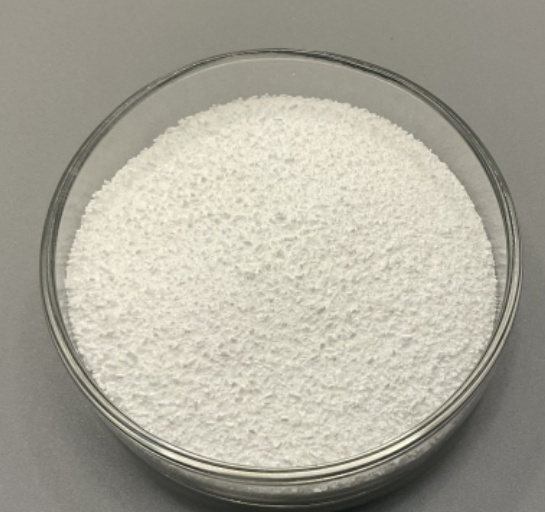
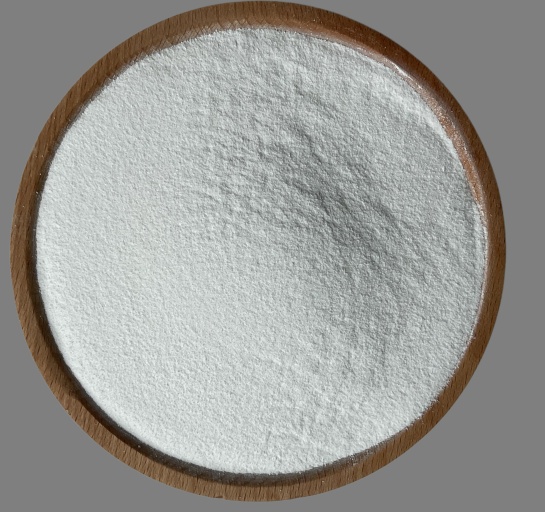
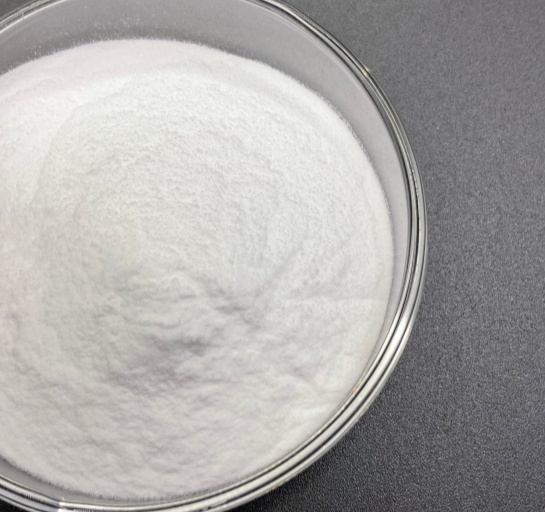
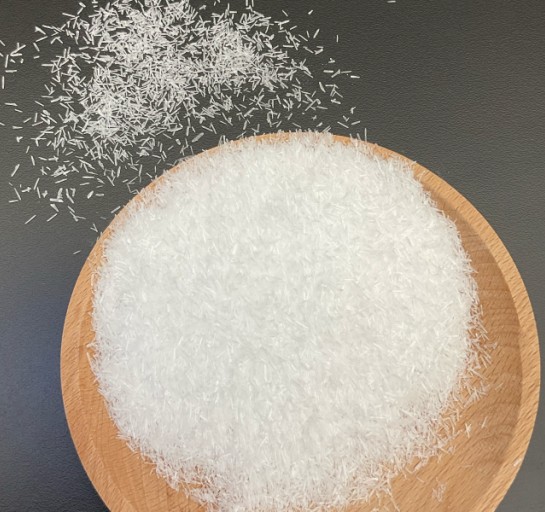
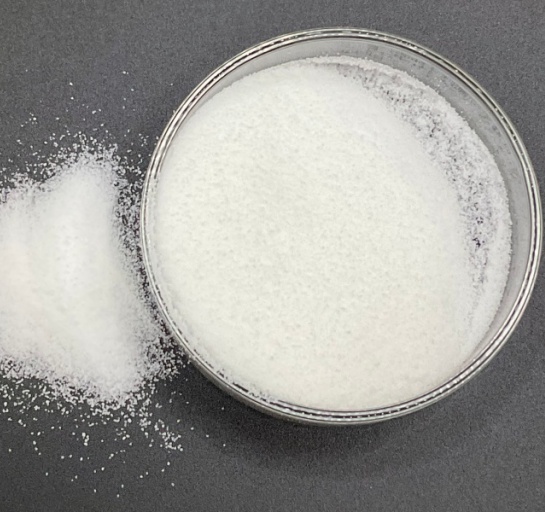
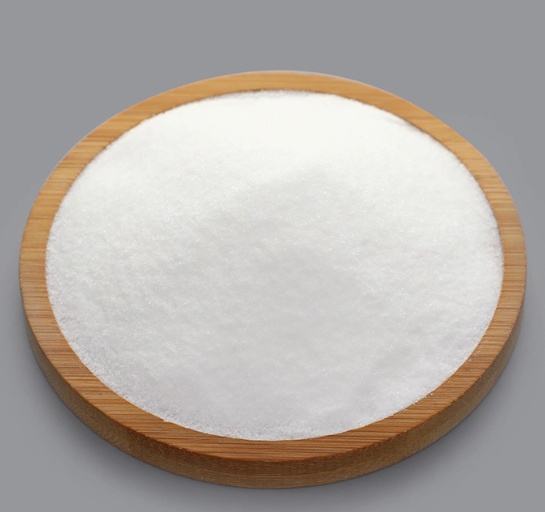
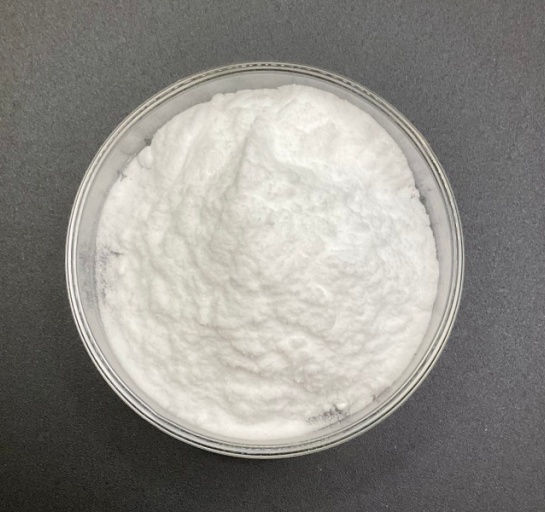
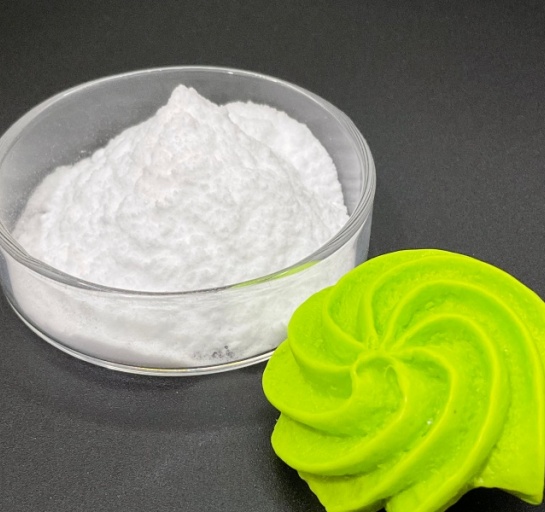
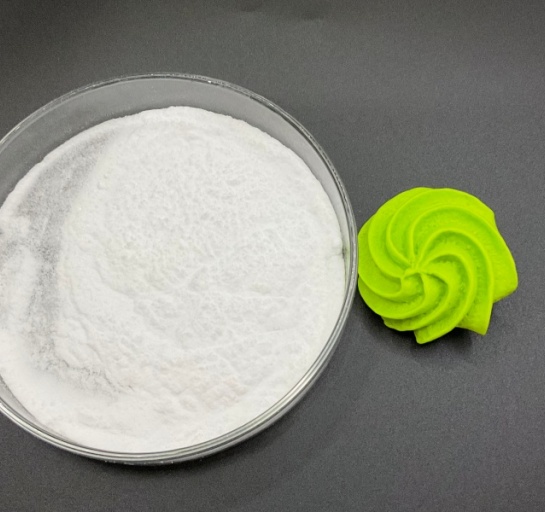
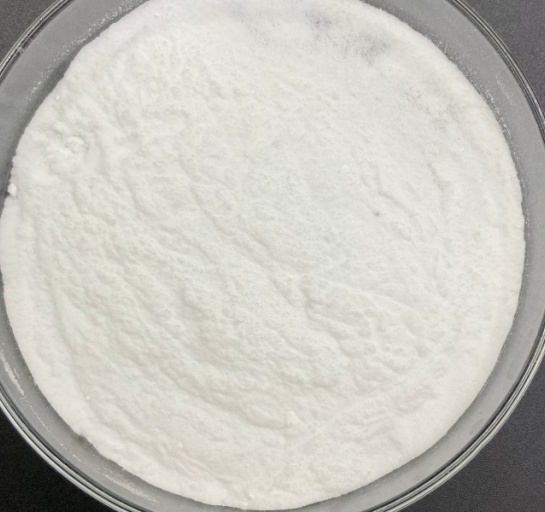
| APPEARANCE | WHITE CRYSTALLINE POWDER |
| ASSAY | 98.0-102.0% |
| SPECIFIC ROTATION | +84.0°~+87.5° |
| PH OF 10% AQUEOUS SOLUTION | 5.0-8.0 |
| MOISTURE | 2.0 % MAX |
| METHANOL | 0.1% MAX |
| RESIDUE ON IGNITION | 0.7% MAX |
| HEAVY METALS | 10PPM MAX |
| LEAD | 3PPM MAX |
| ARSENIC | 3PPM MAX |
| TOTAL PLANT COUNT | 250CFU/G MAX |
| YEAST&MOULDS | 50CFU/G MAX |
Application cases
Sugar-Free Carbonated Beverages
In sugar-free cola, sugar-free soda, and other carbonated beverages, sucralose is often used in combination with acesulfame potassium. Because carbonated beverages require low-temperature filling and long-term shelf storage, the chemical stability of sucralose ensures that the sweetness of the product does not diminish within its shelf life. At the same time, its lack of aftertaste (no bitterness) makes the beverage taste closer to the full-sugar version. The typical addition amount is approximately 0.1-0.2 g/kg.