Product Description
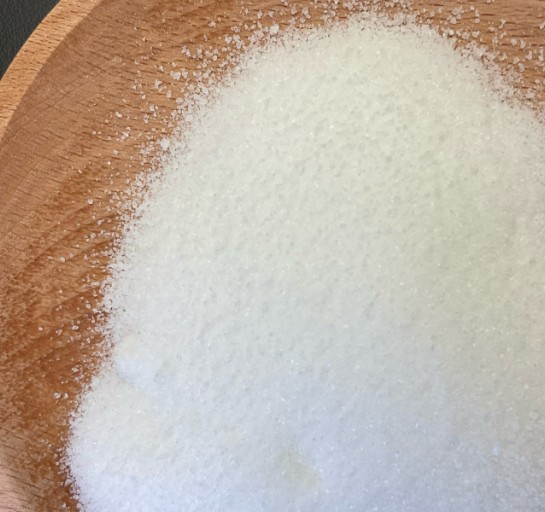
As a classic sweetener, sodium saccharin possesses excellent thermal and chemical stability, is resistant to acids and alkalis, and withstands high temperatures. It retains its sweetness even after baking or sterilization. This makes sodium saccharin a crucial sweetener in products such as carbonated beverages, preserved fruits, jams, pastries, chewing gum, and toothpaste.
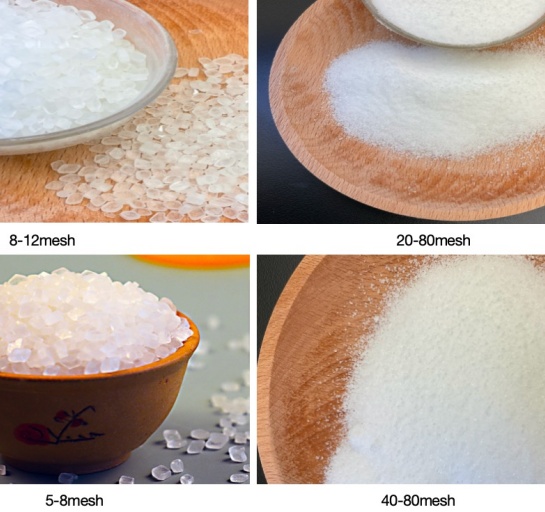
Sodium saccharin mesh size:
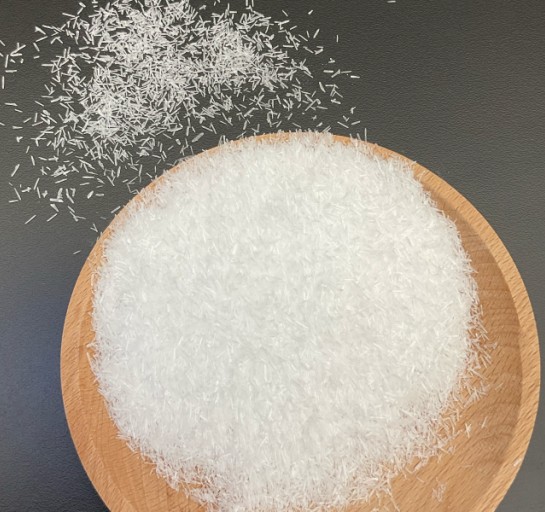
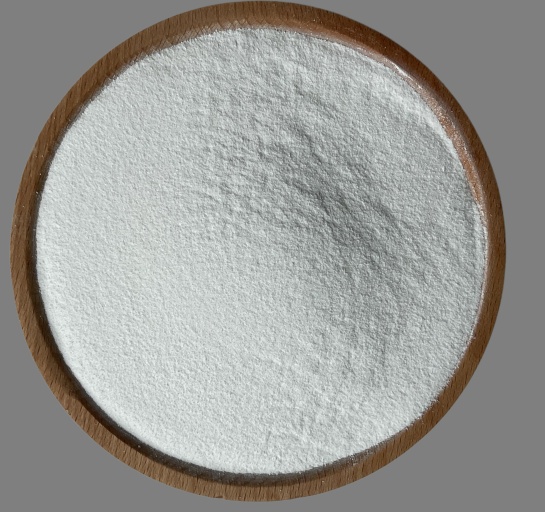
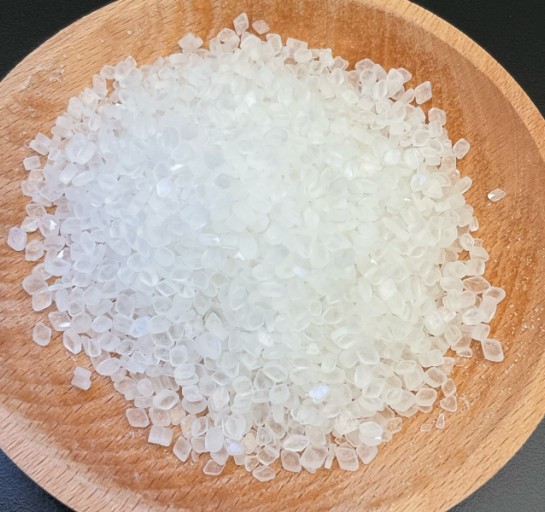
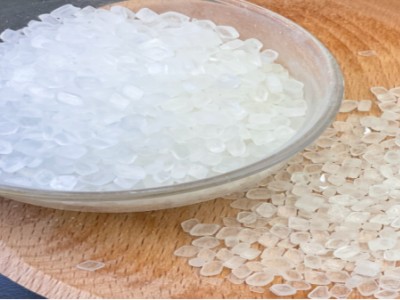
5-8 mesh: Coarse particles with excellent flowability, suitable for large-package storage or systems requiring slow dissolution, such as the dry mixing process in feed additives.
8-12 mesh: Medium to coarse particles, combining good flowability and controllable dissolution rate, commonly used in solid beverage powders or compound sweeteners requiring uniform dispersion.
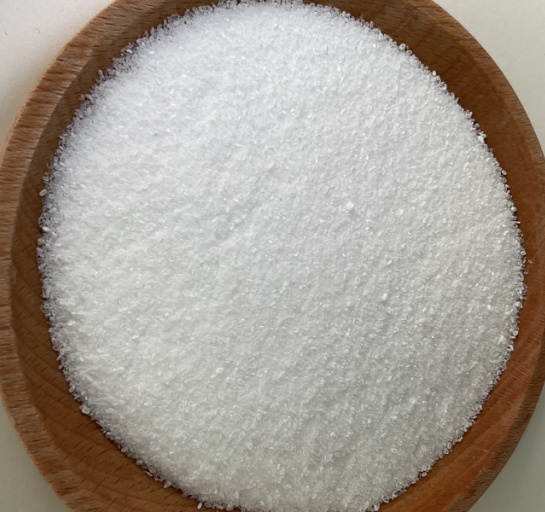
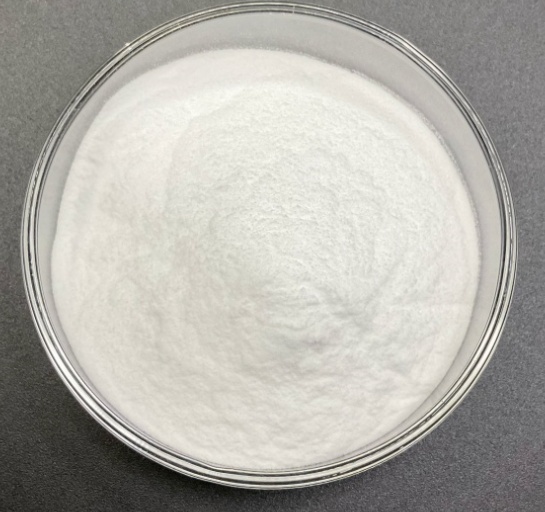
20-40 mesh: Medium particle size, with a relatively balanced dissolution rate and dispersibility, the most commonly used specification of sodium saccharin in general food production.
40-80 mesh: Fine particles with fast dissolution rate, suitable for liquid beverages, syrups, or product systems requiring rapid sweetness release.
Specifications
| ITEM | STANDARD |
| Identification | Positive |
| Melting point of insolated saccharin ℃ | 226-230 |
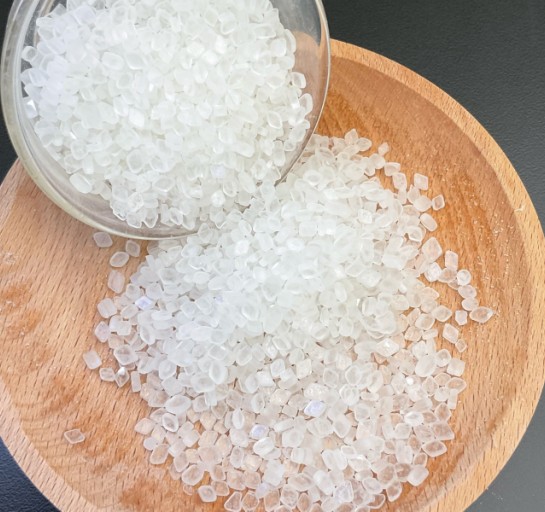
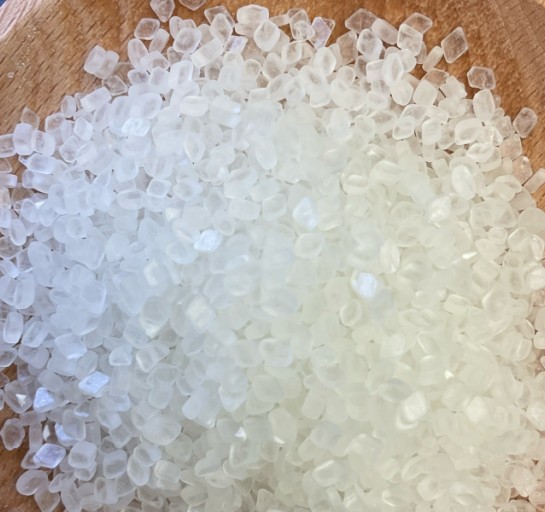
| Appearance | White crystals |
| Content % | 99.0-101.0 |
| Loss on drying % | ≤15 |
| Ammonium salts ppm | ≤25 |
| Arsenic ppm | ≤3 |
| Benzoate and salicylate | No precipitate or violet color appears |
| Heavy metals ppm | ≤10 |
| Free acid or alkali | Complies with BP /USP/DAB |
| Readily carbonizable substances | Not more intensely colored than reference |
| P-tol sulfonamide ppm | ≤10 |
| O-tol sulfonamide ppm | ≤10 |
Application cases
Beverage industry
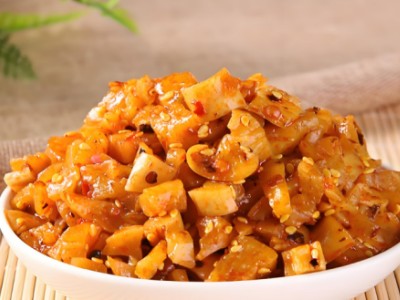
- Case:Sodium Cyclamate used for Classic soda, flavored beverage (such as plum juice), fruit juice beverage
- Feedback: Excellent stability: No loss of sweetness or decomposition occurs even after being stored in acidic beverages (pH 2.5-4.0) for several months or even a year. This is crucial for beverages that require a long shelf life and complex distribution environments.
- Significant cost advantage: In products requiring a high sweetness level, the use of sodium cyclamate can significantly reduce raw material costs, especially in bulk products where the benefits are evident.
- Synergistic Blending: When blended with aspartame in a ratio of 9:1 or 10:1, the sweetness can reach more than 100 times that of sucrose, and the aftertaste can be mutually masked, achieving a sweetness closer to that of sucrose.