
Product Description
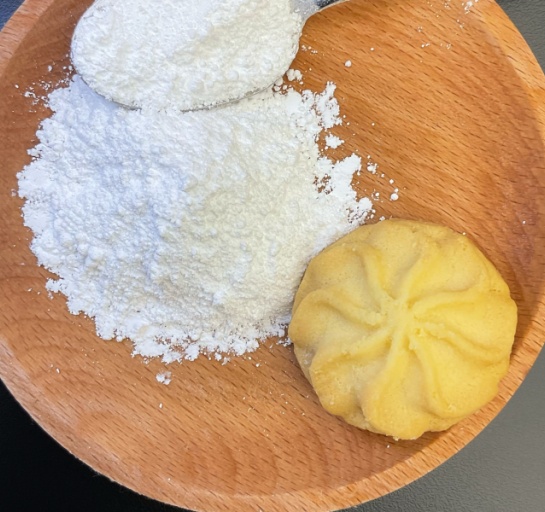
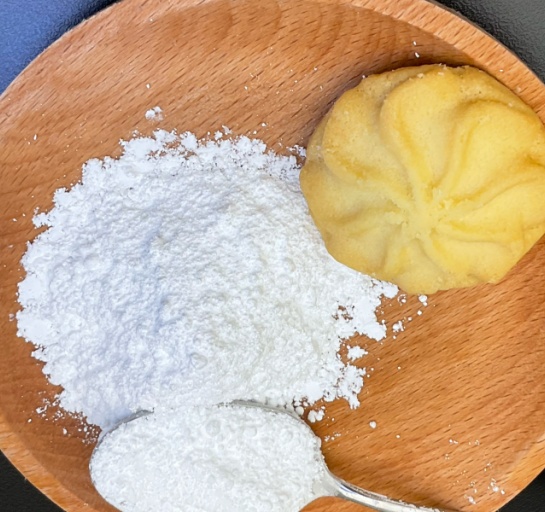
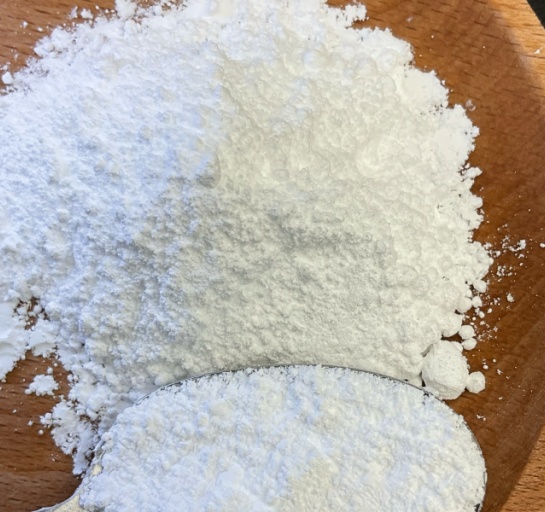
Aspartame is a low-calorie artificial sweetener widely used in the food and beverage industry. Discovered in 1965, aspartame is approximately 200 times sweeter than sucrose (table sugar), which allows it to provide the desired sweetness with very little actual substance.
In terms of chemical composition, aspartame is a methyl ester of a dipeptide composed of two amino acids: L-phenylalanine and L-aspartic acid. When consumed, aspartame is broken down in the human digestive system into these two amino acids and a small amount of methanol, all of which are also found naturally in common foods like meat, dairy, fruits, and vegetables.
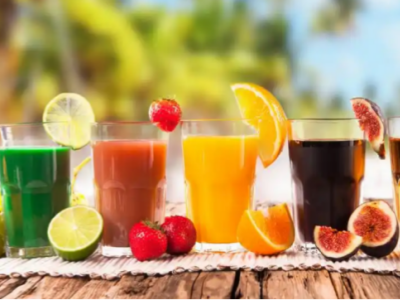
The primary application of aspartame is in reduced-sugar and sugar-free products. Common examples include diet soft drinks, sugar-free chewing gum, low-calorie yogurt, tabletop sweeteners, and various sugar-free desserts. Because aspartame is heat-sensitive and loses sweetness at high temperatures, it is typically added after cooking or baking processes, making it less suitable for baked goods but ideal for cold or ambient-temperature applications.
Specifications
| Assay: | 98-102% |
| Specific Rotation [a]20D | +14.5~+16.5 |
| transmittance: | ≥95% |
| Loss on Drying(105ºC 4hr): | ≤4.5% |
| Residue on Ignition (Sulfated): | ≤0.2% |
| PH: | 4.5-6.0 |
| Arsenic(As): | ≤3ppm |
| Heavy Metals (Pb): | ≤10ppm |
| Loss on Drying : | ≤2.0% |
| Other Related Substance: | ≤2.0% |
| Diketopiperazine (5-Benzy1-3, 6-Dioxo-2-Piperazineacetic Acid): | ≤1.5% |
Success Application cases
- Sugar-free chewing gum: This is one of the most classic successful applications of aspartame. It provides long-lasting sweetness without causing dental caries like sugar. When combined with sugar alcohols (such as sorbitol and xylitol), it can improve the cooling sensation and laxative effect of sugar alcohols alone, resulting in a more balanced taste.
- Low-calorie yogurt/pudding: It performs well in products with weaker acidity and shorter shelf life (refrigerated), and can be harmonized with fruit flavors.