Description
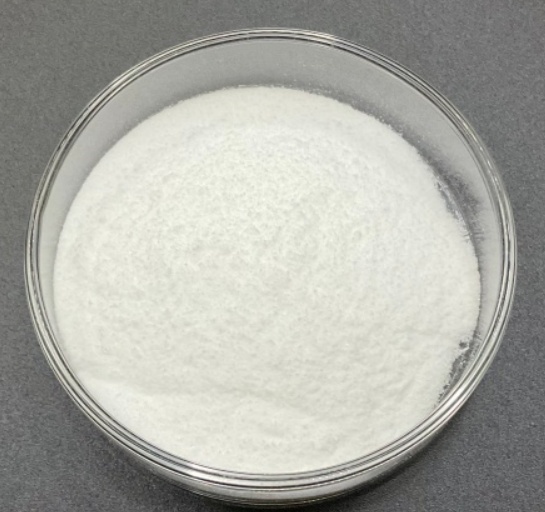
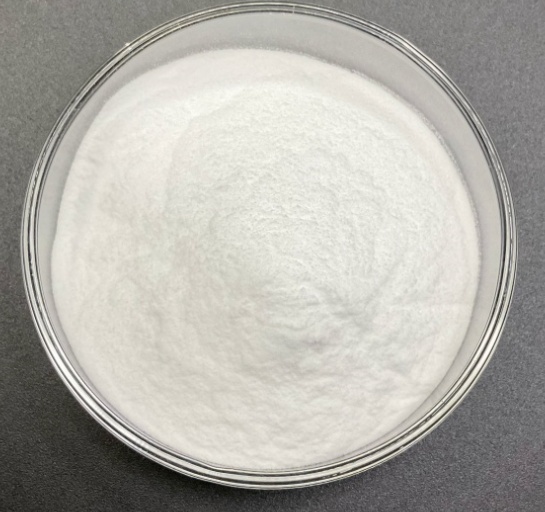
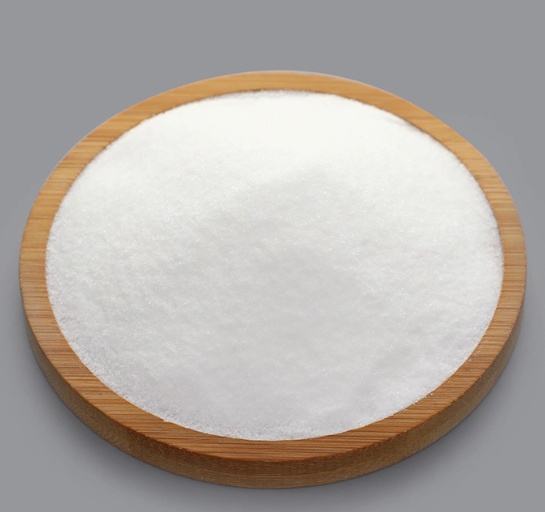
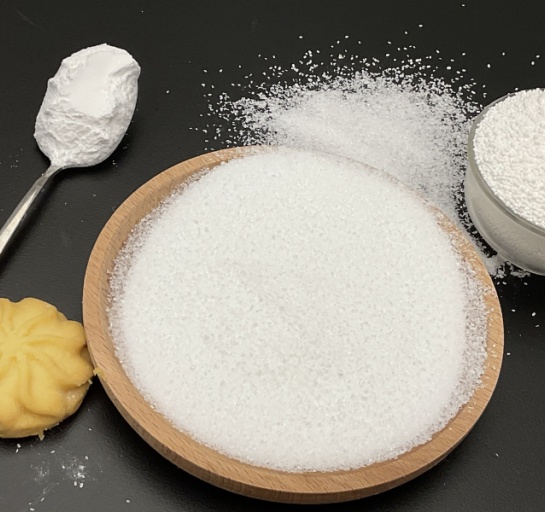
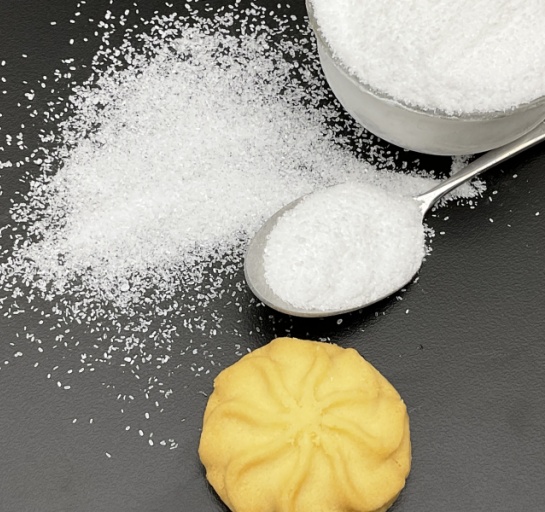
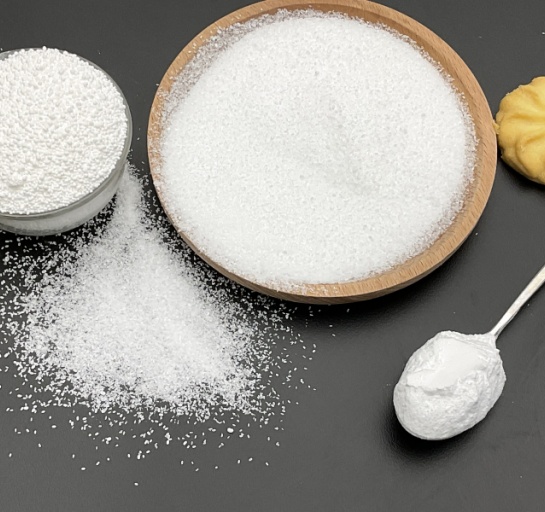
Calcium propionate, listed as E282 in the Codex Alimentarius, is a widely used acidic preservative worldwide, playing a key role, especially in the prevention of mold and preservation of baked goods and animal feed.
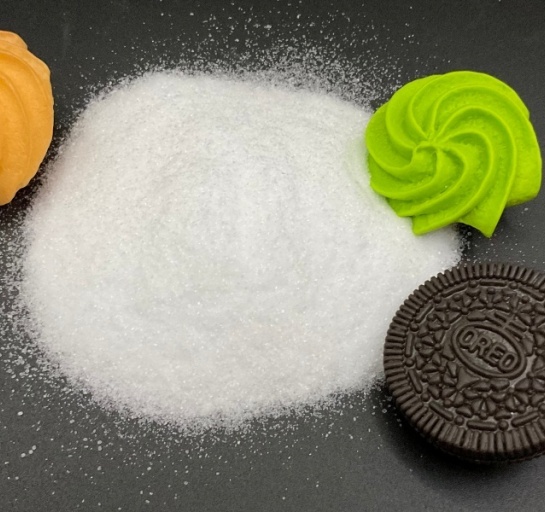
In the food industry, calcium propionate is used as a mold inhibitor in baked goods, typically added at a level of 0.1% to 0.4% (although the content in animal feed can be as high as 1%). The biggest advantage of calcium propionate is its high safety for humans. The acidic environment of the human stomach breaks it down into propionic acid and calcium ions. Propionic acid participates in normal energy metabolism, while calcium is absorbed and utilized by the body. Therefore, calcium propionate is commonly used in bread, pastries, cheese, and other products to prevent mold growth. At the same time, it has almost no impact on the normal fermentation activity of yeast, ensuring the fluffy texture of the dough products.
In the animal feed industry, calcium propionate(C6 H10CaO4) is used to prevent postpartum hypocalcemia (milk fever) in dairy cows and as a feed additive. Moisture and nutrients in feed are highly susceptible to mold growth, producing toxic mycotoxins. Adding calcium propionate effectively extends the shelf life of feed, preventing nutrient loss and animal poisoning caused by mold. Furthermore, it supplements animals with essential calcium.

Specifications
| Item of C6 H10CaO4 | Standard |
| PH(10% aqueous Solution ) | 6.0-9.0 |
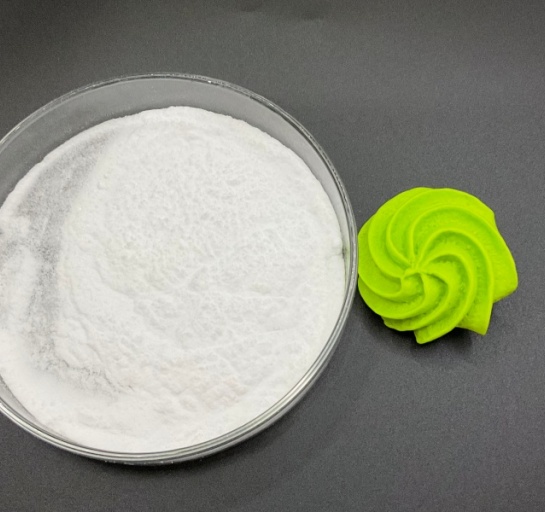
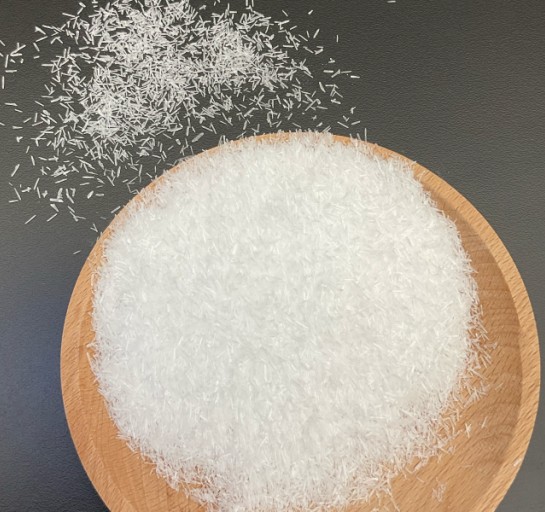
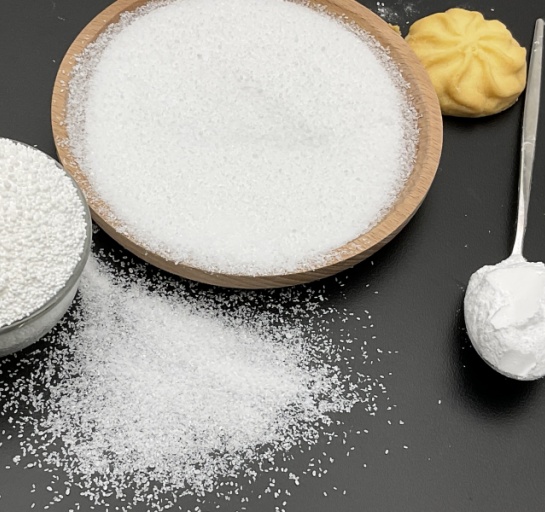
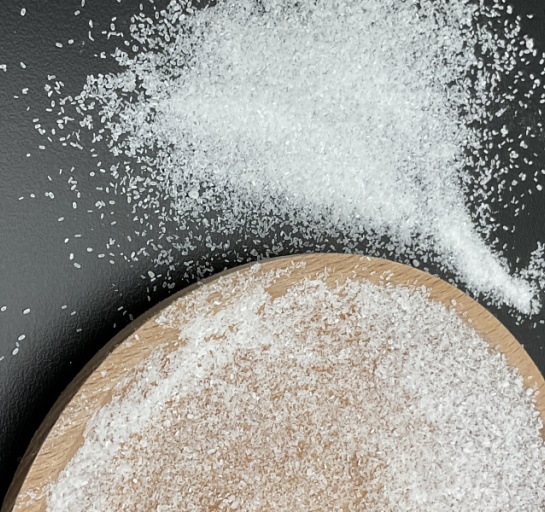
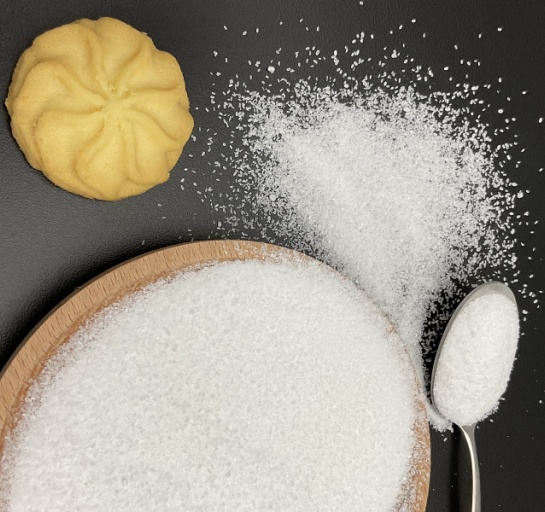
| Appearance | White crystals or crystalline powder |
| Identification | A 1:20 aqueous Solution gives positive test for calcimB Upon ignition at a relatively low temperatures,a sample yields an alkaline redidue that effervesces with |
| Assay (On anhydrous basis) % | 98.0% – 100.5 |
| Fluoride % | ≤ 0.003 |
| Insoluble Substances % | ≤ 0.2 |
| Lead, mg/kg | ≤ 2 |
| Magnesium (as MgO) | Passes Test (about 0.4%) |
| Loss on Drying | ≤ 5.0% |
| Propionic acie | ≥70.0% |
| Heavy Metals (as Pb) | =< 10 ppm |
| Arsenic (as As) | =< 3 ppm |
Application Cases of Calcium Propionate
| Cases | Analysis of main causes | Solusions |
| The anti-mildew effect did not meet expectations. | ① Insufficient addition: Calculation error or failure to consider initial moisture content/high mold contamination of raw materials.② Uneven mixing (prone to spherical particles): Caused by short mixing time or poor equipment performance.③ Inappropriate application: Calcium propionate is effective against fungi, but ineffective against existing bacterial toxins.④ Harsh storage environment: High humidity exceeds the preservative’s effective range. | ① Scientific Calculation: Adjust the amount of calcium propionate added based on the season, raw material moisture content (>12%, require increased dosage), and storage period.② Optimized Process: Ensure thorough mixing, paying particular attention to spherical particles.③ Comprehensive Mold Prevention: Monitor raw material quality; severely moldy raw materials should be prohibited.④ Improved Storage of calcium propionate: Control warehouse temperature and humidity; prioritize the use of recycled materials. |
FAQ – COFOO CHEM
Our quality meets internationally recognized standards, including FCC (Food Chemicals Codex) and E282.
COFOO CHEM is an ISO9001 certified company. For Calcium Propionate, we can also supply relevant product certificates and test reports.
We have our factory for calcium propionate. At the same time, we operate our own factories for other product lines.
Yes, samples can be provided for your testing our quality.
As a well-known supplier of food additives in China, COFOO CHEM works with reliable producers to offer you cost-effective prices.
On working days, we guarantee a response to your inquiry within 24 hours.
Our main shipping options include air freight, land transportation, and sea freight.
The most commonly accepted payment terms are T/T and L/C, among others.
After order confirmation, it can be delivered within 10days. For other products, delivery is typically completed within 2 weeks.